- Nandoshi - Pune - 411024
- +91 - 97641 13247
- AESPL4@GMAIL.COM

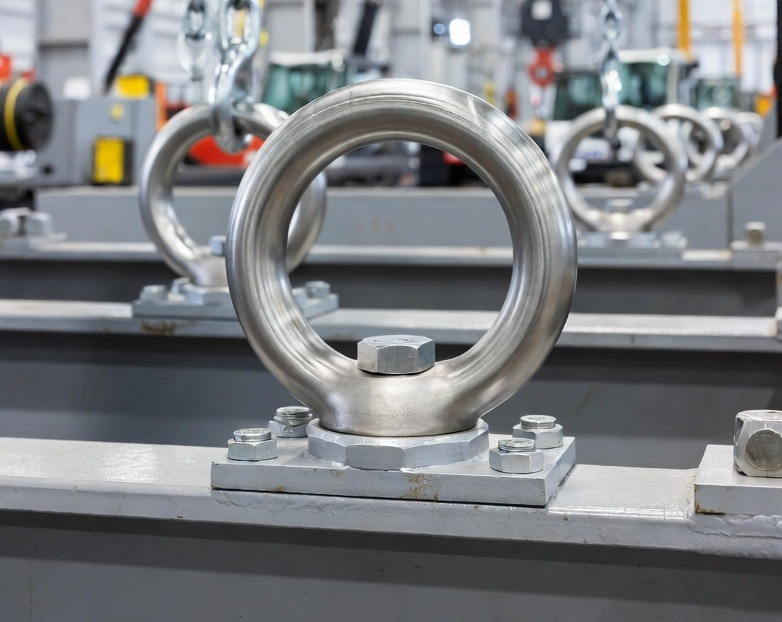
When lifting equipment fails due to rust, corrosion, or weak fastening points, the consequences are serious—damaged machinery, downtime, and safety risks. Many industries face this problem when using standard fasteners in harsh environments. This is where stainless steel eye bolts make a critical difference. Designed for strength, durability, and corrosion resistance, they offer a dependable solution for lifting, anchoring, and securing loads in demanding industrial conditions.
Choosing the right fastening solution, such as stainless steel eye bolts, is essential for safe lifting, anchoring, and long-term performance in industrial environments.
In lifting and anchoring operations, material choice plays a vital role. Carbon or mild steel eye bolts may perform well initially, but in outdoor, marine, or chemical environments they often suffer from corrosion, reduced load capacity, and shorter service life. This leads to frequent replacements and increased maintenance costs.
Stainless steel eye bolts are engineered to overcome these challenges. Their corrosion-resistant properties, combined with high strength and durability, make them a reliable long-term solution for industrial applications where safety and consistency are non-negotiable. Understanding their uses and benefits helps ensure the right selection for critical operations.
Stainless steel eye bolts are fasteners featuring a circular loop (the “eye”) at one end and a threaded shank at the other. The eye provides a secure attachment point for hooks, chains, slings, or cables, while the threaded portion allows firm installation into machinery, structures, or lifting points.
They are commonly manufactured using stainless steel grades such as SS 304 and SS 316, chosen for their strength and corrosion resistance. Compared to mild steel eye bolts, stainless steel variants perform better in harsh environments and offer a longer operational life, especially where moisture, chemicals, or salt exposure is common.
One of the most important advantages of stainless steel eye bolts is their ability to resist rust and corrosion. They perform reliably in humid conditions, chemical exposure, and marine environments where ordinary steel fasteners quickly degrade. This makes them ideal for outdoor and high-moisture applications.
Stainless steel eye bolts provide consistent tensile strength and dependable load handling. When used correctly within rated limits, they offer secure lifting points for heavy loads. Adhering to the specified Working Load Limit (WLL) is essential to maintain safety during lifting operations.
Due to their resistance to environmental damage, stainless steel eye bolts require less maintenance and replacement. Over time, this results in better cost efficiency and reduced downtime in industrial operations.
The smooth, non-reactive surface of stainless steel prevents contamination and buildup. This makes SS eye bolts suitable for clean environments such as food processing plants and pharmaceutical facilities.
Stainless steel eye bolts are widely used in cranes, hoists, and lifting assemblies. They provide safe and reliable attachment points for slings, chains, and hooks, especially in environments where corrosion resistance is required.
In shipyards, docks, and offshore structures, exposure to saltwater is unavoidable. Stainless steel eye bolts are preferred due to their resistance to salt-induced corrosion, ensuring long-term performance and safety.
These industries demand fasteners that can withstand chemicals, heat, and pressure. Stainless steel eye bolts maintain their integrity under such conditions, making them suitable for critical lifting and anchoring tasks.
For structural lifting and anchoring in outdoor environments, stainless steel eye bolts provide dependable performance with minimal maintenance, even under prolonged exposure to weather.
Cleanliness and corrosion resistance are essential in hygienic environments. Stainless steel eye bolts meet these requirements while offering reliable load handling.
Stainless steel eye bolts offer several advantages over mild steel eye bolts, especially in demanding environments:
Each type is selected based on load direction, application, and installation requirements.
Selecting the right eye bolt involves more than size alone. Key factors include load direction and lifting angle, required load capacity, thread type, environmental exposure, and compliance with international standards. Choosing the correct specification ensures both safety and performance.
Proper installation is essential for safe use. Eye bolts must be installed according to manufacturer guidelines and used strictly within rated load limits. Side loading beyond permissible angles should be avoided, and regular inspections should be conducted to detect wear, deformation, or damage before failure occurs.
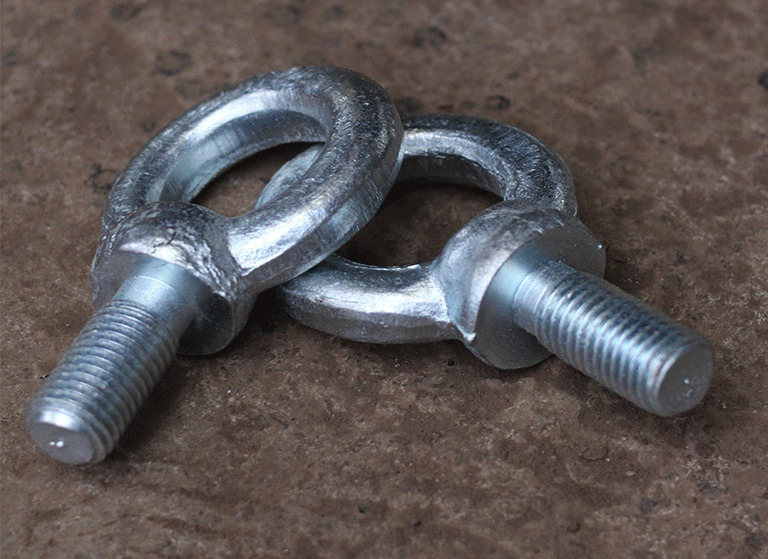
The quality of stainless steel eye bolts depends heavily on material selection, manufacturing precision, and testing standards. A reliable manufacturer ensures dimensional accuracy, consistent load ratings, and compliance with safety standards. Customization options also help meet specific industrial requirements, ensuring the right solution for each application.
Stainless steel eye bolts offer clear advantages in environments where corrosion resistance, durability, and safety are critical. Their wide range of industrial uses, long service life, and reliable performance make them an ideal choice for demanding lifting and anchoring applications. Selecting the right type and specification ensures safe and efficient operations over the long term.
For engineered solutions designed to meet industrial standards, explore [stainless steel eye bolts for industrial applications] from a trusted manufacturer.