July 2, 2026 Comments (0)

Can You Install Anchor Bolts After Concrete Is Poured ?

Concrete foundations are often poured under tight timelines. In some cases, anchor bolts may be missed, misplaced, or need repositioning due to design changes or new equipment requirements. This creates a common and practical question on construction and industrial sites: can anchor bolts be installed after concrete is poured ?

The answer is yes. Anchor bolts can be installed in hardened concrete using post-installed anchoring methods. However, correct anchor selection, material quality, and installation technique are essential to ensure load capacity, safety, and long-term performance.

What Are Concrete Anchor Bolts and Why Are They Important ?

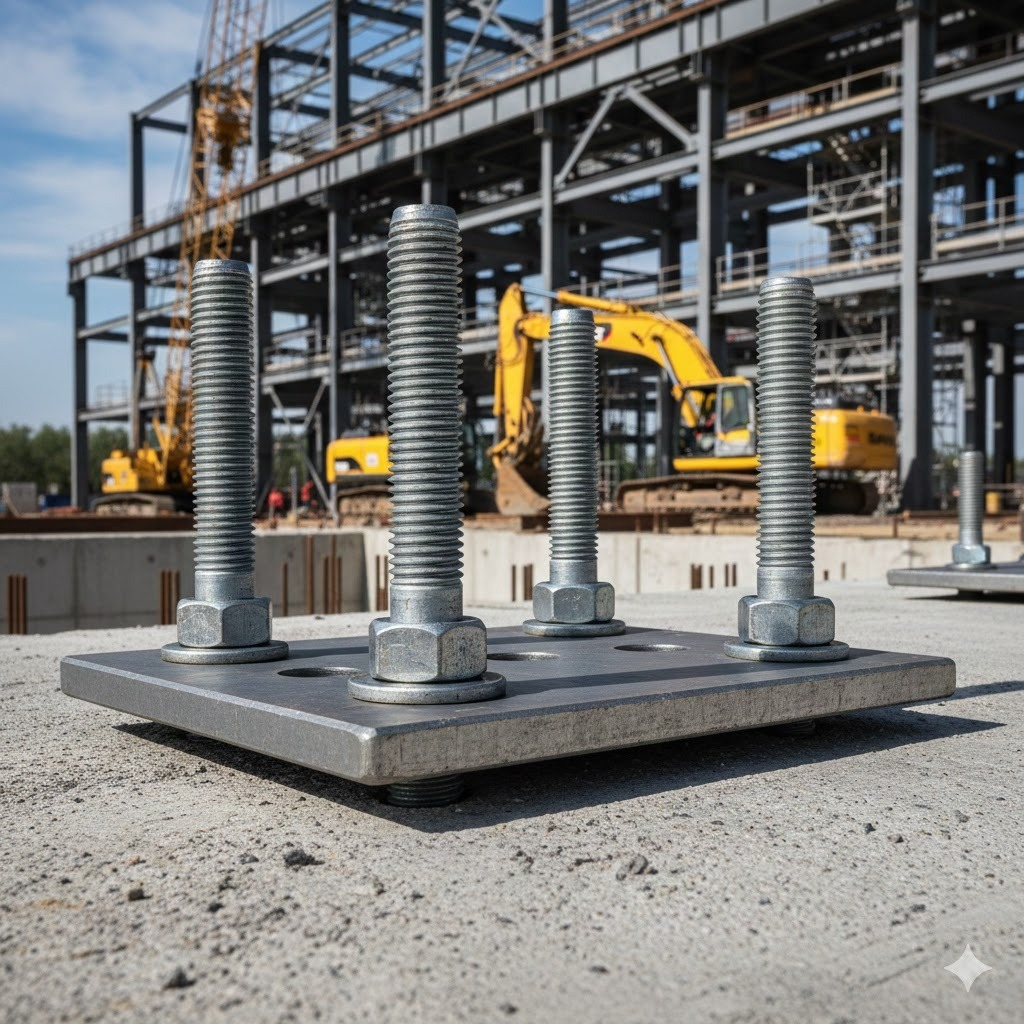
Concrete anchor bolts are mechanical fasteners used to secure structures, machinery, and equipment to concrete foundations. They transfer applied loads safely from the structure into the concrete.

Anchor bolts are critical in :
  • • Industrial foundations
  • • Commercial buildings
  • • Infrastructure and utility installations

Their performance depends on load-bearing capacity, embedment depth, material strength, and corrosion resistance. High-quality anchor bolts are typically manufactured using Mild Steel (MS), Engineering Steel (EN), or Stainless Steel (SS) to withstand tension, shear forces, vibration, and environmental exposure.

A detailed range of industrial-grade Anchor Bolts used for concrete applications can be viewed here :

Anchor Bolts

How Anchor Bolts Are Typically Installed Before Concrete Is Poured

In new construction, anchor bolts are commonly installed using the cast-in-place (wet-set) method. In this approach, anchor bolts are positioned before concrete placement and become embedded as the concrete cures.

This method provides :
  • • Strong load transfer
  • • Accurate alignment with base plates
  • • High structural reliability

However, cast-in-place installation offers limited flexibility. If bolt locations are incorrect or project requirements change later, post-installed anchor bolts become necessary.

Cast-in-Place Anchor Bolts vs Post-Installed Anchor Bolts

In new construction, anchor bolts are commonly installed using the cast-in-place (wet-set) method. In this approach, anchor bolts are positioned before concrete placement and become embedded as the concrete cures.

Feature Cast-in-Place Anchor Bolts Post-Installed Anchor Bolts
Installation Timing Before concrete curing After concrete hardening
Load Transfer Direct embedment Mechanical expansion or chemical bonding
Flexibility Limited after pouring High flexibility
Typical Use New construction Retrofits, modifications, repairs

Post-installed anchor bolts allow corrective action without breaking or recasting concrete, making them practical for real-world site conditions.

When Do You Need to Install Anchor Bolts After Concrete Is Poured ?

Post-installed anchor bolts are commonly required when :
  • • Anchor bolts were omitted or incorrectly positioned
  • • New machinery is added to an existing foundation
  • • Equipment layouts are modified
  • • Structural retrofitting or expansion is required

These situations occur frequently in operational facilities and renovation projects.

Methods to Install Anchor Bolts in Existing Concrete

Expansion Anchor Bolts

Expansion anchor bolts work by mechanical expansion against the walls of a drilled hole. When tightened, they create friction that holds the anchor securely in concrete.

They are suitable for :
  • • Medium static loads
  • • Machinery base plates
  • • Solid, uncracked concrete

Limitations :
Not recommended for cracked or low-strength concrete or high dynamic loads.

Chemical / Resin Anchor Bolts
Chemical anchor bolts use resin or epoxy bonding to secure the bolt inside drilled holes. This method provides high pull-out resistance and excellent performance under vibration.

They are ideal for :
  • • Heavy machinery
  • • Dynamic or cyclic loads
  • • Critical industrial applications

Proper hole cleaning and full curing time are essential for reliable performance.

Types of Anchor Bolts Used for Concrete Applications

Depending on the application, different anchor bolt designs are used, including :
  • • L-Type Anchor Bolts
  • • J Bolts for concrete foundations
  • • Wedge Anchor Bolts
  • • Sleeve Anchor Bolts
  • • Chemical Anchor Bolts

The correct selection depends on load requirements, environmental conditions, and installation constraints. Professionally manufactured anchor bolts ensure dimensional accuracy and consistent performance:

Anchor Bolts

Step-by-Step Process to Install Anchor Bolts After Concrete Is Poured

  • 1. Mark anchor bolt locations accurately
  • 2. Drill holes to specified diameter and depth
  • 3. Clean holes thoroughly to remove dust and debris
  • 4. Install the selected anchor bolt type
  • 5. Tighten mechanical anchors or allow chemical anchors to cure
  • 6. Inspect installation before applying load

Each step directly affects anchoring strength and reliability.

How Deep Should Anchor Bolts Be Embedded in a Concrete Slab ?

Embedment depth depends on :
  • • Anchor bolt diameter
  • • Applied load
  • • Concrete grade

There is no single standard depth suitable for all applications. For structural or heavy-load installations, embedment depth should be determined using engineering guidelines or professional evaluation.

Key Factors to Consider Before Post-Installing Anchor Bolts

Before installation, evaluate :
  • • Concrete condition and strength
  • • Load type (static or dynamic)
  • • Exposure to moisture or corrosive environments
  • • Edge distances and spacing
  • • Use of high-quality, certified anchor bolts

Selecting the right anchor bolt is as important as correct installation.

Common Mistakes to Avoid When Installing Anchor Bolts in Hardened Concrete

  • • Selecting an incorrect anchor type
  • • Inadequate hole cleaning
  • • Over-tightening expansion anchors
  • • Ignoring curing time for chemical anchors
  • • Using uncertified or low-quality bolts

These issues can significantly reduce anchoring performance and safety.

When Should You Avoid Installing Anchor Bolts After Concrete Is Poured ?

Post-installed anchor bolts should be avoided when :
  • • Concrete is cracked or structurally weak
  • • High seismic or dynamic loads exist without analysis
  • • Critical load-bearing elements require redesign

In such cases, engineering consultation is essential.

Conclusion

Anchor bolts can be installed after concrete is poured when proper post-installed methods are used. Correct anchor selection, material quality, and installation practices ensure reliable load performance and long-term safety.

For industrial applications, using precision-engineered anchor bolts manufactured to recognized standards is critical for dependable anchoring solutions.

Frequently Asked Questions

Yes. Anchor bolts can safely be installed in hardened concrete using post-installed anchoring methods such as mechanical expansion anchors or chemical (resin) anchors. When installed correctly, these anchors can provide reliable load-bearing performance comparable to cast-in-place bolts for many applications.
The best anchor bolt depends on load and site conditions. Expansion anchors work well for medium static loads in solid concrete. Chemical anchor bolts are preferred for heavy loads, vibration, or dynamic forces because they offer higher pull-out strength and better performance in industrial environments.
Post-installed anchor bolts can achieve high strength when properly selected and installed, but cast-in-place anchor bolts generally offer the highest load transfer because they are embedded during concrete pouring. For structural applications, engineering evaluation is recommended.
Mechanical anchors can usually be loaded immediately after proper tightening. Chemical anchor bolts require curing time, which varies based on resin type, temperature, and installation depth. Loading should only be applied after the recommended curing period is complete.
Improper hole cleaning significantly reduces anchor performance. Dust and debris prevent proper expansion or resin bonding, leading to reduced pull-out strength and potential failure. Thorough cleaning using air blowers and brushes is essential, especially for chemical anchors.
Chemical anchor bolts should be used when installing heavy machinery, dealing with dynamic or cyclic loads, or when higher safety margins are required. They are also suitable for applications close to concrete edges and in situations where vibration resistance is critical.
Share:

Leave a comment